Das Buch befindet sich übrigens jetzt auch in Lieferung zu mir. Dauert zwar noch etwas bis es ankommt, aber ich freu mich schon drauf. Da hast du mich erfolgreich geinfluenced 
Diese ganze Timeline ist ja schon skurril. Ich weiß noch, wie FK Loknica (Athletics Fan) im alten Forum schon gegen die Astros geschossen hat, da waren die noch gar kein Meister. Einfach nur weil es ihn genervt hat, wie rücksichtslos und dreist dort getankt wurde, um mehrere Jahre in Folge Top Picks zu bekommen.
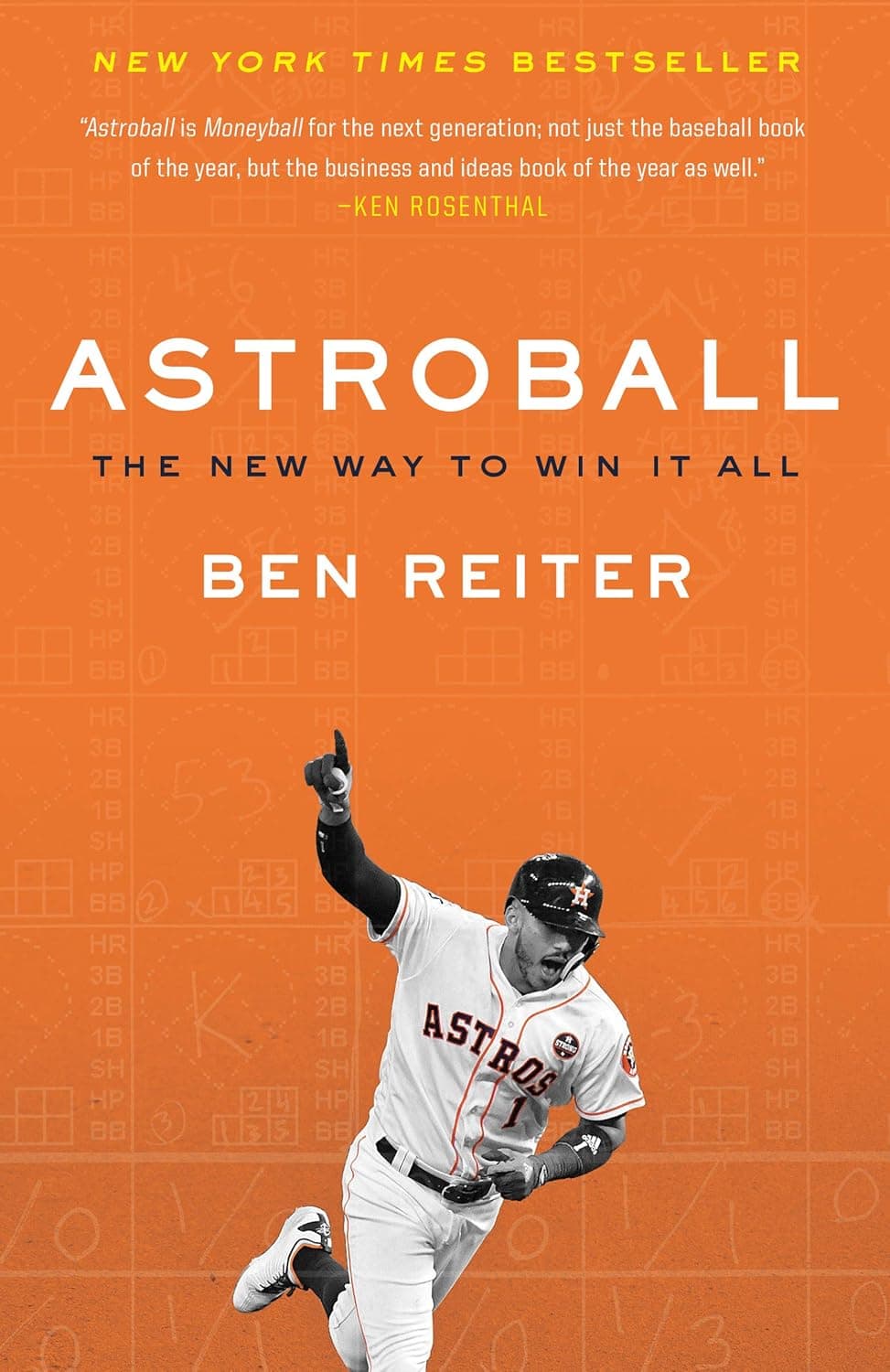
Dann werden die Astros tatsächlich gut, holen 2017 die Meisterschaft und die Führung um Luhnow und Co. sind auf einmal everybods Darling. Kurz darauf erschien dieses Buch:
und der Klappentext ist wirklich unterhaltsam mit dem, was wir heute wissen:
Astroball picks up where Michael Lewis’s acclaimed Moneyball leaves off, telling the thrilling story of a championship team that pushed both the sport and business of baseball to the next level. In 2014, the Astros were the worst baseball team in half a century, but just three years later they defied critics to win a stunning World Series. In this book, Ben Reiter shows how the Astros built a system that avoided the stats-versus-scouts divide by giving the human factor a key role in their decision-making. Sitting at the nexus of sports, business, and innovation, Astroball is the story of the next wave of thinking in baseball and beyond, at once a remarkable underdog tale and a fascinating look at the cutting edge of evaluating and optimizing human potential.
dazu dann noch diese Kommentare:
“Ben Reiter has written the definitive, untold story of the biggest turnaround in recent baseball history. This riveting behind-the-scenes account offers fresh insight into the executives who built the 2017 World Series champions—and the players who delivered. Astroball is Moneyball for the next generation, not just the baseball book of the year, but the business and ideas book of the year as well.”
—KEN ROSENTHAL, two-time Sports Emmy winner for Outstanding Sports Reporter
“Ben Reiter’s incredible access to the World Series champions makes for narrative as riveting as a Game 7. But Astroball is so much more. It is a look at the future, and not just of baseball. For all the talk of computers replacing human judgment, the most complex problems are often best addressed when computers supplement human judgment, rather than supplant it. The Astros’ human/algorithm partnership turned a historically bad team into a champion in six years. Other industries, take note.”
—DAVID EPSTEIN, bestselling author of The Sports Gene
“Reading Astroball is like being part of the Astros’ Decision Sciences team or having a seat and a laptop in their Nerd Cave. Ben Reiter gives us an inside look at the state of the art of winning baseball: packed with cutting-edge technology, psychology and analytics, but allowing for the human element.”
—TOM VERDUCCI, bestselling author of The Yankee Years (with Joe Torre) and The Cubs Way
oder auch diesen Abschnitt aus einer Rezension:
In the cage, Bonds showed Beltrán how he liked to set the pitching machine to top speed, more than 90 miles per hour, and then gradually move closer and closer to it, training himself to react to pitches that arrived quicker than any human could throw them from a mound. Even more useful, to Beltrán, was the way he described his mentality. “Sometimes you’re in an oh-for-ten slump, and you might start to doubt your ability,” Bonds said. “But you have to understand that every time you walk to the plate, the person who is in trouble isn’t you. It’s the pitcher.” A decade later, when Beltrán arrived for his first spring training with the Astros in February 2017, he knew that he appeared to his young teammates as Bonds once had to him. He was at least seven years older than almost all of them, earned 30 times more than some of them, and was by then a nine-time All-Star who had hit 421 home runs. During his first days with the Astros, he approached each one.
(Soweit ich mich erinnere war Beltrán einer der „Erfinder“ des ganzen Sign Stealing Systems)
Eigentlich müsste man zuerst „Astroball“ lesen und dann „Winning Fixes Everything“, einfach nur um den Kontrast zu sehen.
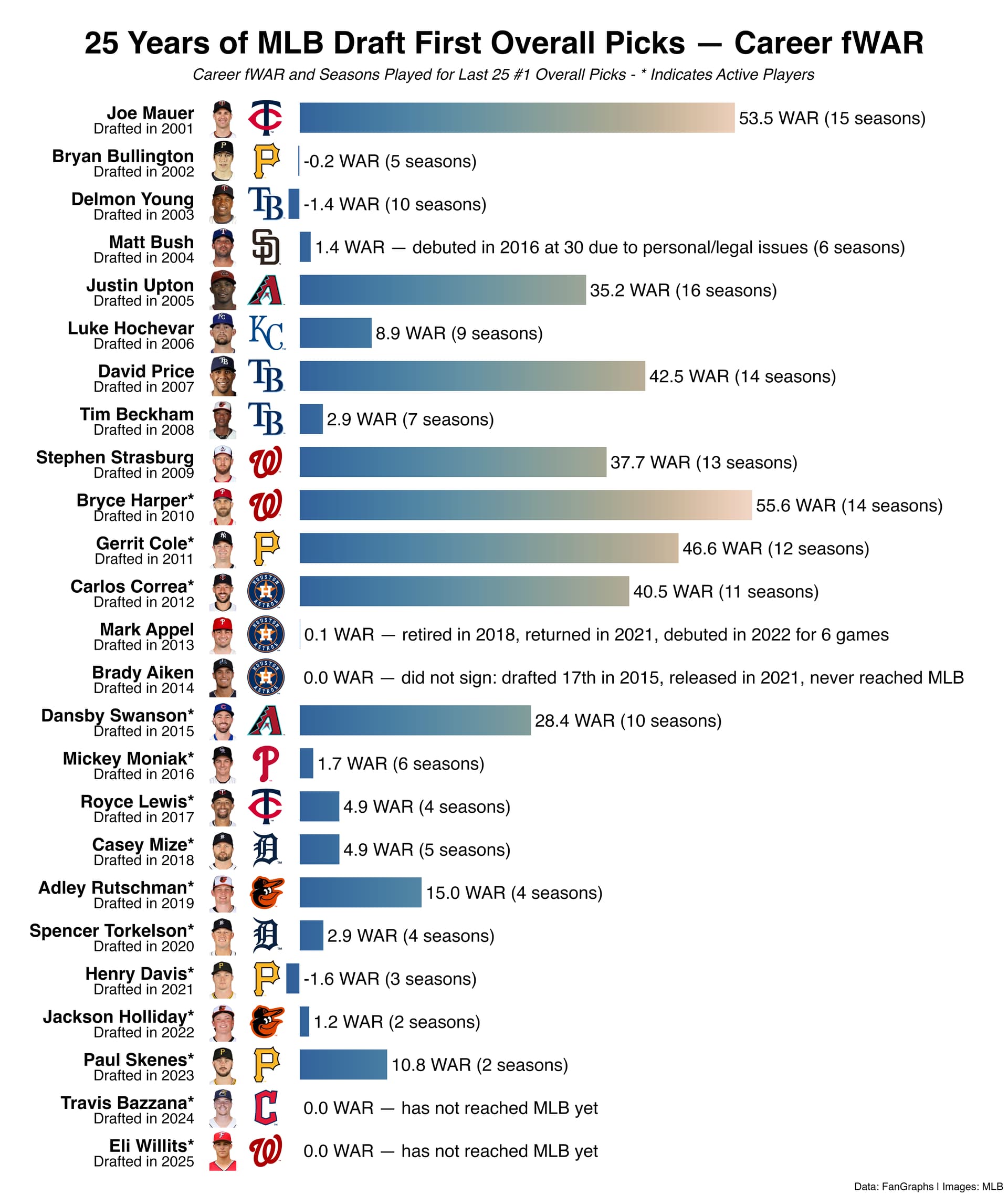
Mittlerweile weiß ich eh nicht mehr, ob man solchen Büchern wie Astroball noch trauen kann. Während ich mir bei Moneyball sicher bin, dass es für die damalige Zeit wirklich etwas revolutionäres war, sind wir mittlerweile an einem Zeitpunkt, wo man sich nicht mehr sicher sein kann, ob das nicht alles Survivorship Bias ist. Jede Franchise hat ihr eigenes Analytics Model und wenn dann mal ein Team gewinnt, wird ihr Model sofort als das bessere bzw. das neue beste wahrgenommen, dabei können die auch einfach Glück gehabt haben. Selbst die Astros hatten mit Mark Appel (#1 overall Pick 2013) und Brady Aiken (#1 overall Pick 2014) zwei monströse Fehleinschätzungen im Draft. und seitdem sie nicht mehr in den Top 5 picken dürfen, ist seit 2016 kein einziger First Round Draft Pick mehr zu einem Leistungsträger bei den Astros geworden.
Vielleicht war das doch alles gar nicht so „Cutting Edge Analytics“, sondern einfach die logische Schlussfolgerung wenn du jahrelang deine Franchise ausbluten lässt und immer wieder ganz oben im Draft picken darfst. Aber ich bin mir sicher, dass ich da in „Winning Fixes Everything“ noch weitere Eindrücke gewinnen werde.


 ): ist Griffin so ein großes Talent, dass er die Triple A überspringen könnte oder ist das nicht so ungewöhnlich bei Talenten, die einiges auf dem Kasten haben (und man vielleicht auch den Need im Franchise Team hat)?